
How Your HVAC System Affects Home Value in Toronto
When you’re preparing to sell your home or refinance your mortgage, the appraisal process can feel like a mystery. An appraiser walks through your property, takes notes, snaps photos, and assigns a dollar value that directly impacts your financial outcome. Most homeowners focus on curb appeal, fresh paint, and updated fixtures. But there’s one critical factor that significantly influences appraisal values that often gets overlooked: your HVAC system.
The condition, age, and efficiency of your heating and cooling system play a substantial role in how appraisers evaluate your property. Understanding this connection can mean the difference between a strong appraisal that supports your asking price and a disappointing valuation that derails your plans.
Let me walk you through exactly how HVAC systems impact home appraisals and what you can do to ensure your system supports rather than undermines your property value.
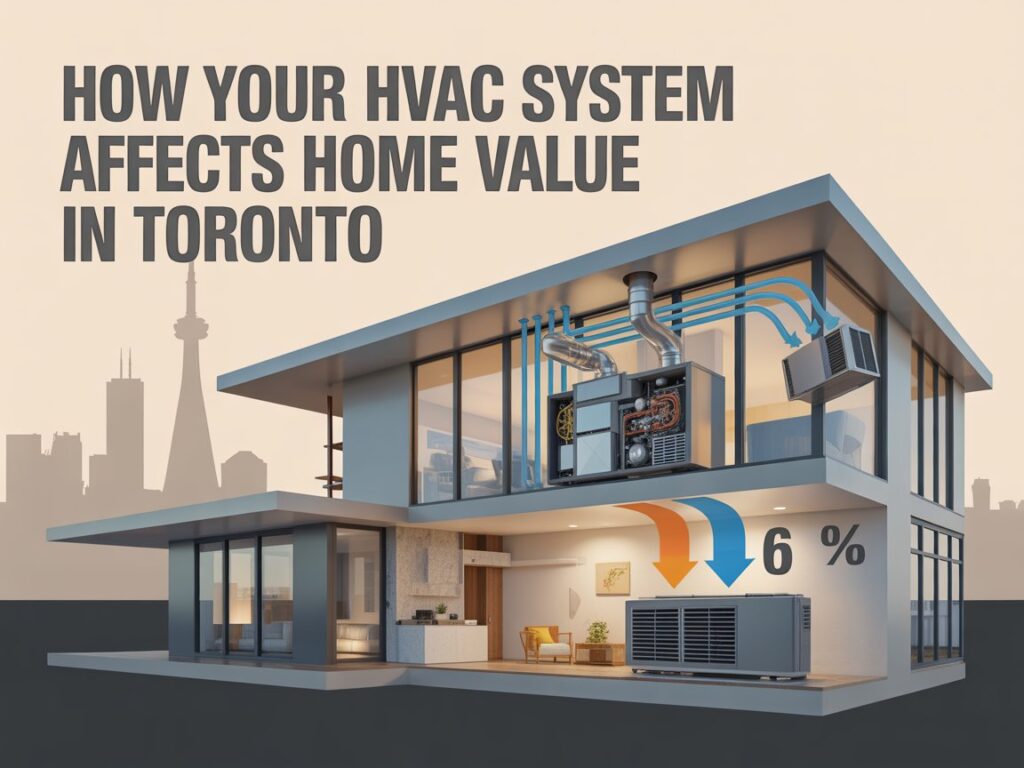
Why Appraisers Care About HVAC Systems
Home appraisers don't just evaluate aesthetics. They assess the functional systems that make a property livable and determine its long-term value. HVAC systems rank among the most important considerations because they represent significant replacement costs and directly affect buyer appeal.
Major Capital Expense Considerations
HVAC system replacement represents one of the largest single expenses homeowners face, typically ranging from $5,000 to $15,000 or more depending on system size and efficiency. Appraisers understand this financial reality and factor it into their valuations.
A home with a well-maintained, modern HVAC system requires no immediate capital investment from the buyer. That's attractive and supports higher valuations. Conversely, a property with an aging or failing system represents an imminent expense that buyers will either negotiate into the purchase price or walk away from entirely.
Appraisers note HVAC system age and condition because these details directly inform whether the property represents a good value at the proposed sale price. A 20-year-old furnace and air conditioner operating on borrowed time create legitimate concerns about near-term replacement costs.
Functional Utility and Livability
Appraisers assess whether a property's systems provide adequate functional utility. An HVAC system that struggles to maintain comfortable temperatures, creates uneven heating or cooling, or breaks down frequently diminishes a home's livability.
Properties must meet basic habitability standards to qualify for most mortgage financing. While definitions vary, functional heating and cooling systems generally fall under these requirements. A completely non-functional HVAC system can prevent a property from appraising at all until repairs are made.
Even systems that technically work but perform poorly affect valuations. Appraisers compare properties to similar homes in the area. If comparable sales featured newer, more efficient systems, your outdated equipment becomes a negative differentiator that justifies lower valuation.
Energy Efficiency and Operating Costs
Modern home valuation increasingly considers energy efficiency as buyers become more cost-conscious and environmentally aware. HVAC systems represent the largest energy consumers in most homes, accounting for roughly 50% of total energy usage according to the U.S. Department of Energy.
Appraisers recognize that high-efficiency HVAC systems reduce ongoing operating costs for homeowners. This economic advantage translates into higher property values, particularly in markets where energy costs are significant.
Older systems with low SEER ratings consume considerably more electricity than modern high-efficiency units. This efficiency gap represents hundreds of dollars annually in additional operating costs that savvy buyers factor into their purchase decisions and that appraisers consider when determining value.
Specific HVAC Factors That Impact Appraisal Values
Not all HVAC considerations carry equal weight in appraisals. Understanding which factors matter most helps homeowners prioritize improvements that genuinely affect valuations.
System Age and Remaining Useful Life
HVAC system age stands as the primary factor appraisers consider. Air conditioning units typically last 12 to 15 years. Furnaces generally run 15 to 20 years. Heat pumps fall somewhere in between at 12 to 15 years.
An HVAC system within the first third of its expected lifespan is viewed positively. Systems in the final third of expected life raise concerns about imminent replacement needs. Systems operating beyond typical lifespan create significant valuation challenges regardless of current functionality.
Appraisers don't just guess at system age. They check manufacturer labels, review maintenance records when available, and note visual indicators of aging equipment. Attempting to hide an old system's age rarely succeeds and damages credibility when discovered.
Homes with brand new HVAC systems installed within the past few years receive positive adjustments in appraisal reports. This recent capital investment protects buyers from near-term replacement expenses and demonstrates the seller's commitment to property maintenance.
Equipment Type and Efficiency Ratings
The specific type of HVAC equipment installed affects property valuations. Central air conditioning systems with modern efficiency ratings appraise higher than outdated units or properties relying on window air conditioners.
SEER ratings for air conditioners and AFUE ratings for furnaces provide objective measures of efficiency that appraisers can evaluate. Current minimum standards require 14 SEER for air conditioners in most regions, but high-efficiency systems reach 18 SEER or higher.
Properties with Energy Star certified HVAC equipment earn favorable notes in appraisal reports. These certifications indicate systems that exceed minimum efficiency standards and reduce operating costs compared to baseline models.
Dual-fuel systems, zoned HVAC configurations, and smart thermostat integration represent premium features that distinguish properties from standard comparable sales. Appraisers account for these upgrades when they provide genuine functional advantages or align with buyer expectations in the market segment.
Visible Condition and Maintenance History
The physical appearance of HVAC equipment matters to appraisers. Well-maintained systems with clean exterior units, intact housing, and professional installations suggest responsible ownership and proper care.
Rust, corrosion, improper installations, jury-rigged repairs, and general neglect signal potential problems even if systems currently function. Appraisers photograph HVAC equipment and note concerning conditions in their reports.
Documentation of regular HVAC maintenance significantly strengthens appraisal outcomes. Service records demonstrating annual tune-ups, filter changes, and professional inspections indicate systems have received proper care that extends lifespan and maintains efficiency.
Properties with maintenance agreements or transferable warranties provide additional value that appraisers recognize. These programs ensure ongoing professional care and offer financial protection that appeals to buyers.
Code Compliance and Safety Concerns
Appraisers must note code violations and safety issues discovered during property inspection. HVAC installations that don't meet current building codes create problems that affect valuations and potentially prevent loan approval.
Common HVAC code concerns include improper venting that creates carbon monoxide risks, inadequate clearances around equipment, substandard electrical connections, and refrigerant handling violations. Any of these issues require correction before most lenders will approve financing.
Even if grandfathered under older codes, outdated installations that clearly don't meet modern safety standards raise red flags in appraisal reports. Buyers and lenders want assurance that systems operate safely regardless of when they were installed.
The Appraisal Adjustment Process
Understanding how appraisers actually account for HVAC conditions in their reports helps homeowners appreciate the financial stakes involved.
Comparable Sales Analysis
Appraisers determine property values primarily through comparable sales analysis. They identify recently sold properties similar to the subject property and make adjustments for differences.
HVAC system condition represents one adjustment category. If comparable properties featured newer or better-maintained systems, the appraiser makes downward adjustments to account for your inferior HVAC. If your system exceeds comparable properties in age or efficiency, upward adjustments apply.
These adjustments aren't arbitrary. Appraisers base them on actual market data showing how much buyers pay for properties with better or worse HVAC systems. In some markets, the difference between a new high-efficiency system and an old failing unit can justify $5,000 to $10,000 in valuation adjustments.
Direct Cost Approach Considerations
For certain property types or situations, appraisers use the cost approach to value. This method considers replacement cost of improvements minus depreciation.
HVAC systems factor prominently in cost approach calculations. The replacement cost of installing new equipment gets reduced by depreciation based on age and condition. A 15-year-old air conditioner with minimal remaining useful life contributes little value under this methodology.
Properties where the HVAC system represents a significant percentage of total improvement value see more pronounced impacts from system condition under the cost approach.
Functional Obsolescence
Severely outdated or inadequate HVAC systems can trigger functional obsolescence adjustments. This occurs when systems no longer meet current market expectations or perform to modern standards.
A home relying on inefficient baseboard heating in a market where central HVAC is standard suffers functional obsolescence. Properties with undersized systems that can't adequately condition the space face similar issues.
Functional obsolescence creates value penalties beyond simple age-based depreciation because it indicates systems that genuinely don't serve their intended purpose effectively by contemporary standards.
Get Your Professional Home Appraisal Quote
Need an accurate home appraisal? Our certified professionals are ready to help. Contact us today for a detailed quote.
What Homeowners Should Do Before Appraisal
Smart homeowners take proactive steps to ensure HVAC systems positively influence rather than undermine appraisal outcomes.
Schedule Professional Inspection and Maintenance
Before listing your property or requesting refinance appraisal, invest in professional HVAC inspection and service. This accomplishes several important goals simultaneously.
First, it identifies any problems that need correction before appraisal day. Fixing issues proactively prevents them from appearing in the appraisal report and affecting valuations.
Second, it generates documentation demonstrating your system receives proper professional care. Appraisers view recent service records favorably as evidence of responsible maintenance.
Third, it ensures your HVAC system operates at peak performance during the appraisal. Systems running efficiently make better impressions than those struggling with neglected maintenance issues.
Quality HVAC maintenance services typically include comprehensive system checks, cleaning, minor adjustments, and detailed reports documenting system condition. This documentation becomes valuable supporting evidence if appraisal HVAC notes need clarification.
Address Obvious Issues and Cosmetic Concerns
Even if your system functions adequately, visible problems create negative impressions that influence appraisal outcomes. Take time to address cosmetic and obvious issues before appraisal day.
Clean the exterior condenser unit. Remove debris, trim vegetation, and ensure adequate clearance around equipment. A well-maintained appearance suggests the entire system receives proper care.
Fix any obvious problems like refrigerant line insulation damage, disconnected ductwork, missing access panels, or rust spots. These repairs cost relatively little but prevent appraisers from noting concerns in their reports.
Replace dirty air filters with fresh ones. This simple step indicates active maintenance and ensures systems operate efficiently during appraisal inspection.
Gather Documentation and Receipts
Compile all available documentation about your HVAC system including installation receipts for newer systems, maintenance records from professional service, warranty information and coverage details, and upgrade documentation like smart thermostat installations.
Provide this documentation to the appraiser during the inspection. While they're not required to consider it, many appraisers appreciate detailed information that helps them accurately assess system condition and remaining useful life.
Documentation is particularly valuable for relatively new systems where you want to ensure the appraiser correctly identifies the installation date and recognizes the recent capital investment in modern equipment.
Consider Strategic Upgrades for Maximum Impact
If appraisal results are critical to your financial outcome and your HVAC system is legitimately outdated, consider whether strategic upgrades make financial sense before appraisal.
Installing a new high-efficiency HVAC system before appraisal can add $5,000 to $10,000 or more to appraised value in many markets. If system replacement is imminent anyway, doing it before appraisal rather than negotiating credits after potentially strengthens your position.
Even smaller upgrades like installing a smart thermostat or improving ductwork can create positive impressions that influence appraisal outcomes favorably. These improvements cost substantially less than full system replacement while still demonstrating investment in property systems.
Consult with experienced HVAC contractors about which improvements deliver the best return on investment for appraisal purposes. Not all upgrades carry equal weight, and professional guidance helps you prioritize spending that actually affects valuations.
When HVAC Issues Derail Appraisals
Understanding worst-case scenarios helps homeowners appreciate the importance of addressing HVAC concerns proactively.
Appraisal Contingencies and Required Repairs
Appraisers discovering significant HVAC problems may make the appraisal contingent on repairs. This means the stated value only applies if specified issues get corrected.
For purchase transactions, repair contingencies create complications requiring negotiation between buyers and sellers about who pays for corrections. These negotiations can delay closings or cause deals to fall apart entirely.
For refinances, repair requirements mean you must complete corrections and have the property re-inspected before the appraisal finalizes and your loan can proceed.
Valuation Shortfalls That Kill Deals
If HVAC problems contribute to appraisal values below contract prices or desired refinance amounts, transactions face serious jeopardy. Buyers may refuse to proceed unless sellers reduce prices. Refinance applications may get denied for insufficient loan-to-value ratios.
These scenarios are particularly frustrating when they could have been prevented with modest HVAC investments before appraisal. Spending a few hundred or even a few thousand dollars on system improvements often prevents valuation shortfalls costing tens of thousands in lost equity or failed transactions.
Protect Your Property Value With HVAC Care
Your home's HVAC system represents more than just climate control equipment. It's a significant value component that appraisers evaluate carefully and that directly influences what your property is worth in the marketplace.
Treating HVAC maintenance as essential property stewardship rather than optional expense protects and enhances your home's value over time. Regular professional service, timely repairs, and strategic upgrades when appropriate ensure your heating and cooling systems support rather than undermine appraisal outcomes.
Whether you're preparing to sell, refinancing, or simply maintaining your largest financial asset, professional HVAC services from experienced contractors keep your systems operating efficiently and contributing positively to your property's market value.
Don't wait until appraisal day to discover HVAC problems that affect your home's value. Proactive care and maintenance ensure your heating and cooling systems protect your investment and support strong appraisals whenever they occur.
Need a Professional Home Appraisal?
For homeowners serious about maximizing property value, partnering with reliable appraisal professionals who understand the connection between system condition and real estate valuations makes sound financial sense.
Quality appraisal services today prevent valuation problems tomorrow and ensure your property value is accurately represented.
Contact Us: (416) 923-7000