
New HVAC System vs. Old: The ROI Impact on Home Resale Appraisals
Understanding How Heating and Cooling Systems Affect Your Toronto Home's Value
When homeowners in Toronto prepare to sell, they often ask which improvements will actually increase their home’s appraised value. The answer about HVAC systems is more nuanced than most people expect. A new furnace and air conditioning system will affect your home’s value, but probably not in the dramatic way real estate improvement shows suggest. Understanding the real impact helps you make informed decisions about whether replacing your HVAC makes financial sense before selling.
At Seven Appraisal Inc., we evaluate Toronto homes daily and see firsthand how heating and cooling systems factor into property values. The truth is that HVAC condition matters significantly to buyers and appraisers, but the actual dollar impact depends on several factors including your home’s overall condition, the age and functionality of existing systems, and how your property compares to others in the neighbourhood.
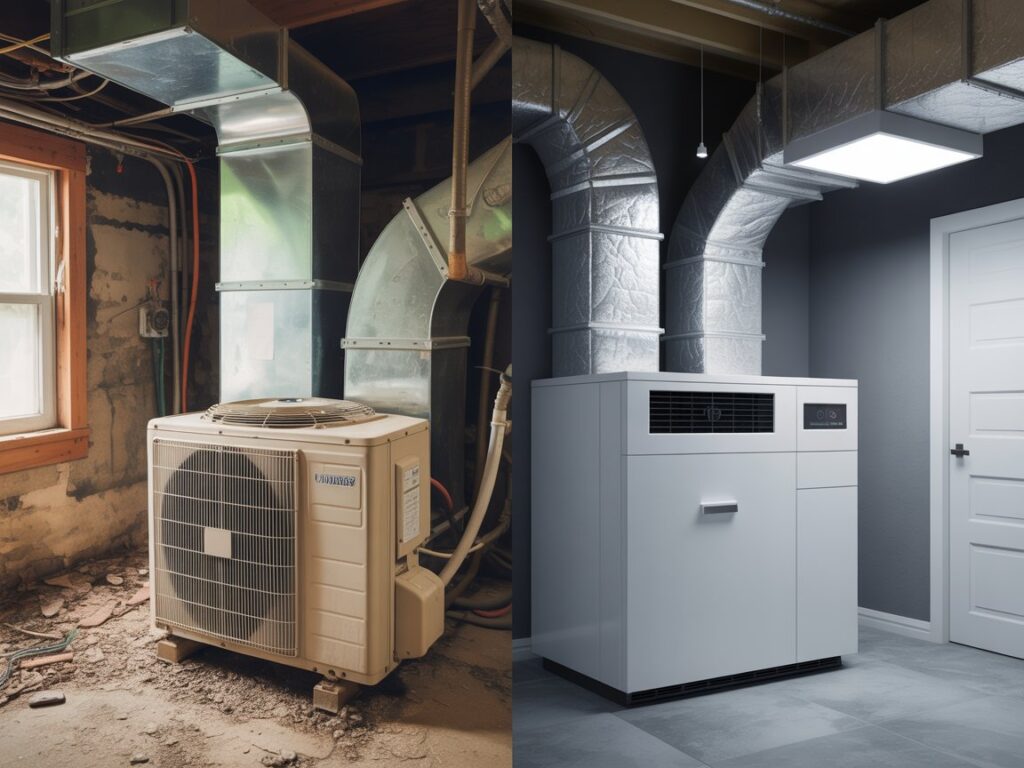
How Appraisers Actually Evaluate HVAC Systems
When we appraise a home, HVAC systems fall into a category we call “physical condition” along with the roof, windows, plumbing, and electrical systems. We are looking at whether these systems are functioning properly, how much useful life remains, and whether they meet current buyer expectations for the neighbourhood and price point.
A furnace is not like a kitchen renovation that changes the home’s appeal and functionality in ways buyers notice immediately. Most people never see your furnace. They just expect that when they turn up the thermostat, heat comes out reliably and efficiently. The HVAC system becomes notable mainly when it is very old, clearly failing, or absent when buyers expect central air conditioning.
The appraisal impact comes through in three ways. First, we note the age and condition of mechanical systems in the property description section of the report. Second, when selecting comparable sales, we consider whether other recently sold homes had similar or different HVAC situations. Third, if your system is significantly inferior or superior to what is typical in comparable homes, we may make adjustments to account for that difference.
The Age Factor: When HVAC Condition Becomes a Value Issue
Furnaces in Toronto typically last 15 to 25 years depending on maintenance, quality, and usage. Air conditioning units generally have similar lifespans. The relationship between age and value impact is not linear. A 10-year-old furnace in good working condition rarely creates any value penalty because it has reasonable remaining useful life. A 25-year-old furnace at the end of its expected lifespan creates a different situation.
When we appraise a home with a furnace that is clearly past its typical replacement age, we account for this because buyers and their home inspectors will identify it immediately. The concern is not just that the old furnace works today but that it could fail next winter, forcing the new owner into an unplanned $5,000 to $8,000 replacement expense.
This shows up in comparable sales adjustments. If we are comparing your home with a 28-year-old furnace to a similar home that sold three months ago with a 5-year-old furnace, we need to account for that difference. The adjustment typically ranges from $3,000 to $6,000 depending on the system type and whether air conditioning is also involved.
Air conditioning in Toronto is increasingly expected rather than optional, particularly in homes above certain price points. A house in Leslieville or the Beaches without central air when most comparable homes have it will face a small value penalty, perhaps $5,000 to $8,000, reflecting both the cost to install and the reduced appeal to buyers who consider AC essential.
What Installing a New HVAC System Actually Does for Value
Here is the reality that disappoints some sellers: installing a new $7,000 furnace does not typically add $7,000 to your home’s appraised value. The value impact is more modest because you are bringing the home up to expected condition rather than adding something extra that commands a premium.
Think of it this way. If comparable homes in your neighbourhood typically have furnaces in reasonable condition, your home with a failing 30-year-old unit is worth less than it would be with a functional system. Replacing it eliminates that penalty and brings you back to market level, but it does not push you above it.
The value recovery from replacing a very old HVAC system typically runs 40 to 60 percent of the installation cost in immediate appraisal impact. A $7,000 furnace replacement might add $3,000 to $4,000 to appraised value by eliminating the functional obsolescence penalty. The remaining cost represents money you are not losing rather than money you are gaining.
This calculation changes somewhat if you are adding central air conditioning to a home that lacked it in a neighbourhood where most houses have AC. Installing a new system that brings your home in line with buyer expectations can recover 50 to 70 percent of cost in immediate value because you are eliminating a more significant competitive disadvantage.
The Efficiency Premium: High-Efficiency Systems and Value
Toronto buyers increasingly care about energy efficiency, particularly with rising heating costs. High-efficiency furnaces with AFUE ratings above 95 percent and newer air conditioning with high SEER ratings provide real operating cost savings compared to older, less efficient equipment.
The value impact of efficiency is modest but real. A new high-efficiency system might add $1,000 to $2,000 more value than simply installing a standard efficiency replacement would, particularly in higher-end homes where buyers scrutinize operating costs more carefully. This premium reflects both the tangible savings and the appeal to environmentally conscious buyers.
Smart thermostats, zoned heating and cooling, and other efficiency features add incremental value but again, we are talking hundreds rather than thousands of dollars in most Toronto residential appraisals. These features make your home more attractive and easier to sell, which matters tremendously in practice even if the direct appraisal impact is modest.
The Condition Context: HVAC Within the Whole Property
HVAC system value impacts never exist in isolation. They need to be understood within the context of your home’s overall condition and how it compares to the local market.
If you are selling a well-maintained home in Rosedale where everything is in excellent condition except for a 20-year-old furnace, replacing that furnace makes perfect sense. It eliminates the one condition issue that would give buyers pause and potentially derail financing if an appraiser noted it as a significant deficiency.
Conversely, if you are selling a dated home that needs a new roof, updated kitchen and bathrooms, and general modernization, spending $8,000 on a new furnace provides limited value capture. Buyers looking at properties needing substantial work are already factoring in major renovation costs, and they will likely replace the furnace as part of larger improvements anyway. Your money is better spent addressing the more visible issues that affect buyer appeal.
The neighbourhood market also matters. In areas where homes typically sell quickly with multiple offers, having newer mechanicals helps position your property competitively but may not translate directly into higher sale prices because everything sells at market. In slower markets or higher price ranges where buyers scrutinize condition more carefully, HVAC age and efficiency can become negotiating points that affect final sale prices.
When Replacing HVAC Before Selling Makes Sense
From an appraiser’s perspective, HVAC replacement before selling makes most financial sense in these situations:
The system is clearly failing or at end of life. If your furnace is 25-plus years old or showing signs of imminent failure, replacing it prevents buyers from demanding large concessions or walking away when inspections reveal problems. The cost of replacement is known; the cost of a failed sale or major price reduction is often higher.
Your home is otherwise in excellent condition. When everything else is updated and well maintained, an old HVAC system stands out as the obvious deficiency that could derail an otherwise strong sale. Replacing it removes the one obstacle to premium pricing.
You are in a competitive price range. In markets where buyers have choices, small condition differences sway decisions. New mechanicals give buyers confidence and remove objections that might push them toward competing properties.
Central AC is expected but absent. If comparable homes in your area have air conditioning and yours does not, installing it addresses a competitive disadvantage that affects both value and marketability.
You need it for appraisal purposes anyway. If your buyer is getting financing, the lender’s appraisal might flag a very old or non-functional HVAC system as a condition affecting value or loan eligibility. Replacing it proactively avoids mid-transaction surprises.
When HVAC Replacement May Not Be Worth It
Replacing HVAC before selling makes less sense when:
The system works fine and has reasonable remaining life. A 12-year-old furnace in good working order does not need replacement just because you are selling. Let the buyer enjoy the remaining years of useful life.
The property needs multiple major updates. If the roof, kitchen, bathrooms, and systems all need work, HVAC replacement consumes capital better spent on more visible improvements or simply pricing the property to reflect as-is condition.
You are in a strong seller’s market. When homes sell quickly regardless of condition, spending on improvements provides minimal return. Buyers will purchase anyway and handle updates themselves.
The numbers do not work. If you would spend $8,000 on replacement to potentially recover $3,500 in value, and you are selling within months anyway, the math favors leaving it alone and reducing the asking price slightly instead.
The Hidden Value: Marketability and Transaction Smoothness
While direct appraisal impact tells part of the story, HVAC condition affects home sales in ways that do not show up neatly in value adjustments. Homes with known mechanical issues sit on the market longer. They generate fewer offers. Buyers negotiate more aggressively when they know systems need replacement.
A home inspection revealing a 28-year-old furnace that “still works but is past typical lifespan” gives buyers ammunition for renegotiation or demands for seller credits. Even if you eventually sell for close to asking price, the transaction involves more stress, uncertainty, and back-and-forth than if the system had simply been replaced upfront.
New HVAC systems also smooth financing. Appraisers note system ages in reports that lenders review. While a very old furnace rarely kills deals outright, it can contribute to lower appraised values or lender concerns that complicate closings, particularly in marginal financing situations.
Realistic Expectations About ROI
The realistic return on investment for HVAC replacement before selling ranges from 40 to 70 percent of cost recovered in immediate value impact, depending on circumstances. This sounds disappointing until you consider the alternative.
Not replacing a failing system means selling for perhaps $5,000 to $8,000 less than you would with a functioning system, dealing with buyer objections and longer market time, and risking transaction problems. Spending $7,000 to avoid losing $6,000 and ensure a smooth sale represents reasonable economics even if you are not “making money” on the improvement.
The ROI also depends on your timeline. If you are selling immediately, you capture minimal return. If you enjoy the new system for a year or two before selling while benefiting from lower heating bills and improved comfort, the combined value of use and sale proceeds improves the overall return.
Making the Right Decision for Your Situation
Every Toronto home sale situation is unique. The right decision about HVAC replacement depends on system age and condition, your home’s overall state, local market dynamics, your budget, and your timeline.
At Seven Appraisal Inc., we help Toronto homeowners understand how various improvements, including HVAC systems, affect property values realistically. Our appraisals provide the objective market perspective you need to make informed decisions about where to invest your improvement dollars for the best return.
If your HVAC system is very old or failing, replacement eliminates a known obstacle and positions your home competitively. If it is functioning adequately with reasonable remaining life, the money might be better spent elsewhere or simply reflected in your pricing strategy. Understanding the real value impact, not the inflated promises of improvement marketing, helps you make choices aligned with your actual financial interests